
Madhya Pradesh, known as the “Heart of India”, is a treasure trove of natural beauty and wildlife. With its diverse landscapes ranging from lush forests to rolling grasslands, this central Indian state is home to some of the most renowned wildlife sanctuaries in the country. These sanctuaries not only provide a haven for various species but also offer unparalleled opportunities for wildlife enthusiasts and nature lovers. In this blog, we’ll explore the top wildlife sanctuaries in Madhya Pradesh, showcasing their unique features and what makes each of them a must-visit destination.
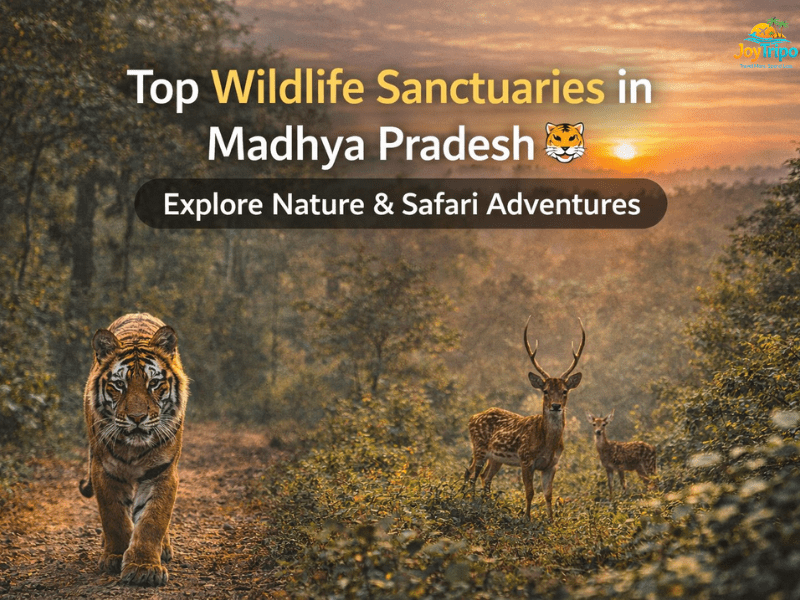
Table of Contents
1. Kanha National Park
Overview
Kanha National Park, located in Madhya Pradesh, India, is a renowned wildlife sanctuary known for its diverse flora and fauna. Spanning over 940 square kilometres, it is home to majestic Bengal tigers, leopards, and the rare Barasingha deer. The park’s lush greenery and rich biodiversity make it a must-visit for wildlife enthusiasts and nature lovers. making it one of the top wildlife sanctuaries in Madhya Pradesh.

Wildlife and Attractions
- Barasingha. The swamp deer, or Barasingha, which is endemic to Kanha, has been successfully conserved here. Their distinctive antlers and unique behaviours are a highlight for visitors.
- Birdwatching. The park is a paradise for bird enthusiasts, with species like the Indian Peafowl, Lesser Adjutant Stork, and various species of eagles and owls.
Activities
- Nature Walks. Guided nature walks are available for those interested in learning more about the park’s flora and fauna.
2. Bandhavgarh National Park
Overview
Situated in the Umaria district, Bandhavgarh National Park is renowned for its high density of Royal Bengal Tigers. The park covers an area of about 448 square kilometres and is known for its rich history and scenic beauty. securing its place among the top wildlife sanctuaries in Madhya Pradesh.
Read more: Best family places in Mumbai: A Comprehensive Guide
Wildlife and Attractions
- Royal Bengal Tiger. Bandhavgarh boasts one of the highest tiger densities in India, making it an excellent destination for tiger sightings.
- White Tigers. Historically, the park is known for the White Tigers, though sightings are rare today. The white tiger’s legacy continues to attract many visitors.
- Ancient Fort. The park houses the Bandhavgarh Fort, which is believed to be more than 2,000 years old, adding a historical dimension to the wildlife experience.
Activities
- Safari Tours. Explore the park’s diverse terrain and spot wildlife on jeep or elephant safaris.
- Birdwatching. With over 250 species of birds, including the Crested Serpent Eagle and the Indian Roller, Bandhavgarh is a birdwatcher’s haven.
3. Pench National Park
Overview
Pench National Park, straddling the border of Madhya Pradesh and Maharashtra, is named after the Pench River that flows through it. The park, covering 758 square kilometres, is known for its scenic beauty and abundant wildlife. ranking it among the top wildlife sanctuaries in Madhya Pradesh.

Wildlife and Attractions
- Royal Bengal Tiger. Pench is famous for its tiger population and is often cited as the inspiration for Rudyard Kipling’s “The Jungle Book.”
- Leopard and Sloth Bear. Besides tigers, the park is home to leopards, sloth bears, and a variety of other mammals.
- Bird Species. The park hosts around 285 species of birds, including the Indian Vulture and the Great Indian Hornbill.
Activities
- Safari Rides. Jeep safaris offer an excellent chance to spot the park’s diverse wildlife and enjoy the beautiful landscapes.
- Nature Trails. Walking trails provide a closer look at the park’s flora and fauna.
4. Satpura National Park
Overview
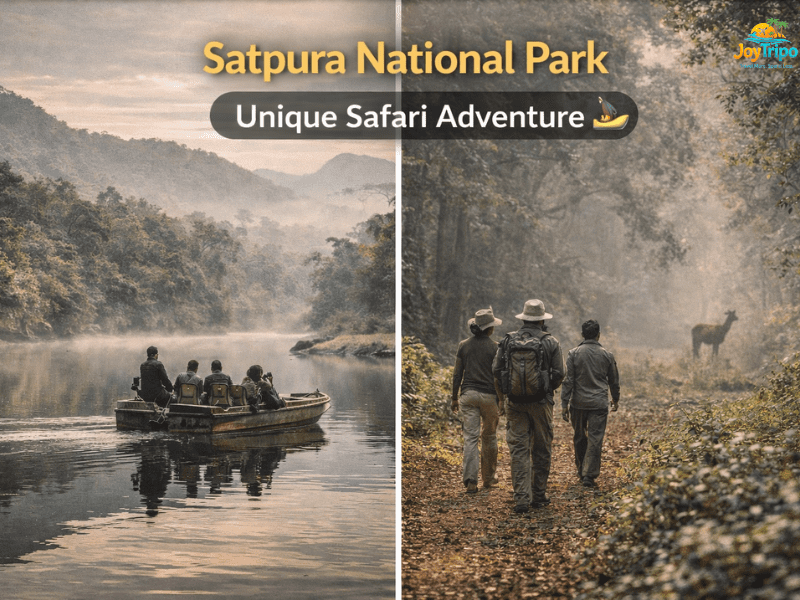
Spanning over 500 square kilometres, this park is renowned for its rich biodiversity, including tigers, leopards, and unique bird species. Ideal for nature enthusiasts and wildlife photographers, Satpura provides guided safaris, walking tours, and boat rides on the Denwa River, ensuring an immersive adventure in nature. firmly placing it within the top wildlife sanctuaries in Madhya Pradesh.
Wildlife and Attractions
- Tiger and Leopard. Satpura is home to both tigers and leopards, though sightings can be more challenging due to the park’s dense forest cover.
- Gaur. The park is known for its population of Indian bison (gaur), which can often be spotted grazing in the park’s meadows.
- Unique Landscapes. The park’s rocky hills and deep valleys create a unique landscape that is different from other parks in Madhya Pradesh.
Activities
- Walking Safaris. Satpura offers walking safaris, allowing visitors to experience the park’s natural beauty up close.
- Boating. Boat rides on the Denwa River provide a unique perspective of the park’s wildlife and scenery.
5. Sanjay National Park
Overview
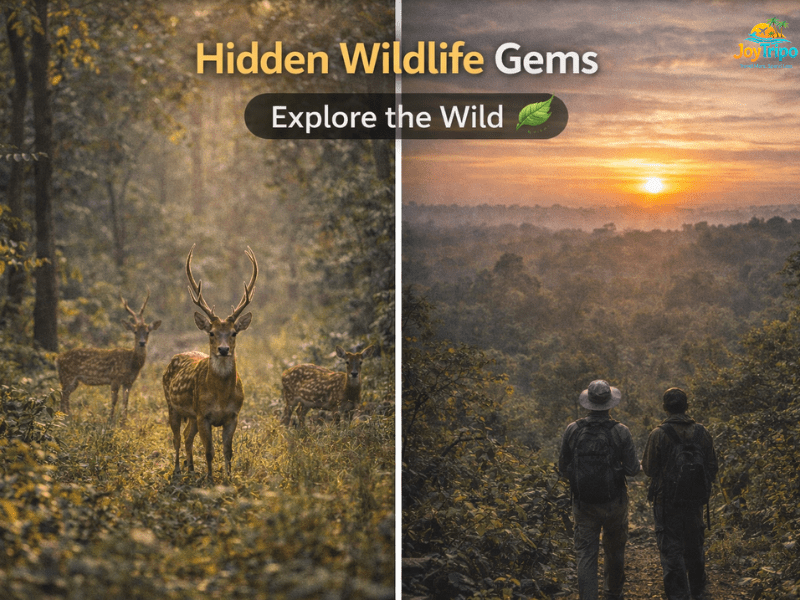
Sanjay National Park, nestled in the Satpura Range of Madhya Pradesh, India, is a pristine haven for nature enthusiasts and wildlife lovers. Spanning over 650 square kilometers, the park is renowned for its rich biodiversity, including tigers, leopards, and various bird species. Its diverse landscape features lush forests, rolling hills, and tranquil rivers, making it an ideal destination for eco-tourism and adventure. Visitors can enjoy safaris, nature walks, and scenic beauty, all while contributing to conservation efforts. Discover the untouched wilderness of Sanjay National Park for an unforgettable experience.
Wildlife and Attractions
- Royal Bengal Tiger. The park is part of the tiger reserve, and visitors may have the opportunity to spot tigers in their natural habitat.
- Biodiversity. Sanjay National Park is home to a wide range of species, including leopards, sloth bears, and various types of deer.
- Scenic Beauty. The park’s hilly terrain and dense forests provide breathtaking views and diverse wildlife experiences.
Activities
- Photography. The park’s scenic vistas and wildlife offer great opportunities for photography enthusiasts.
Conclusion
Madhya Pradesh offers an extraordinary array of wildlife sanctuaries, each with its unique charm and diverse wildlife. From the dense forests of Kanha and Bandhavgarh to the rugged landscapes of Satpura, these parks provide unparalleled opportunities for wildlife observation and nature exploration. Whether you’re a seasoned wildlife enthusiast or a casual nature lover, the sanctuaries of Madhya Pradesh promise unforgettable experiences and a chance to connect with India’s rich natural heritage. So pack your bags, get your permits, and set off on an adventure into the heart of top wildlife sanctuaries in Madhya Pradesh, India’s wildlife wonderland!
Author: Tannu Gandass
Hi, I‘m Tannu Gandass, a content writer with over 3 years of experience in creating engaging content. I’m passionate about writing in the travel niche, where I share helpful guides, destination insights, and travel tips to help readers explore the world.
You can connect with me on LinkedIn. I’ll be happy to share my ideas and help you discover the best places to visit.
Q1. What is the best time to visit the wildlife sanctuaries in Madhya Pradesh?
Ans. The best time to visit these sanctuaries is from October to June. During this period, the weather is pleasant and ideal for wildlife spotting. Monsoon season (July to September) may lead to park closures and restricted access due to heavy rains.
Q2. Are safaris the only way to explore these wildlife sanctuaries?
Ans. While safaris are the most popular way to explore these sanctuaries, some parks, like Satpura, offer walking safaris and boat rides as well. It’s best to check with the park authorities for available options.
Q3. Do I need special permits to visit these wildlife sanctuaries?
Ans. Yes, visitors typically need to obtain permits to enter the national parks. It’s advisable to book these permits in advance through the respective park authorities or authorised tour operators.
Q4. Can I stay overnight inside the wildlife sanctuaries?
Ans. Yes, staying overnight inside wildlife sanctuaries is possible in some areas, but it depends on the specific sanctuary’s regulations. Many wildlife sanctuaries in India offer eco-friendly lodges or campsites for visitors seeking an immersive experience. Always check with the sanctuary authorities for availability, rules, and necessary permits.
Q5. What should I carry when visiting wildlife sanctuaries?
Ans. When visiting wildlife sanctuaries, it’s essential to carry comfortable clothing, sturdy footwear, binoculars, a camera, and a hat. Also, don’t forget to bring sunscreen and insect repellent.


Pingback: Best Dishes in Kerala You Must Try, Famous Kerala Food Guide
Pingback: Ujjain Mahakal Temple Guide 2026: Darshan & Bhasma Aarti