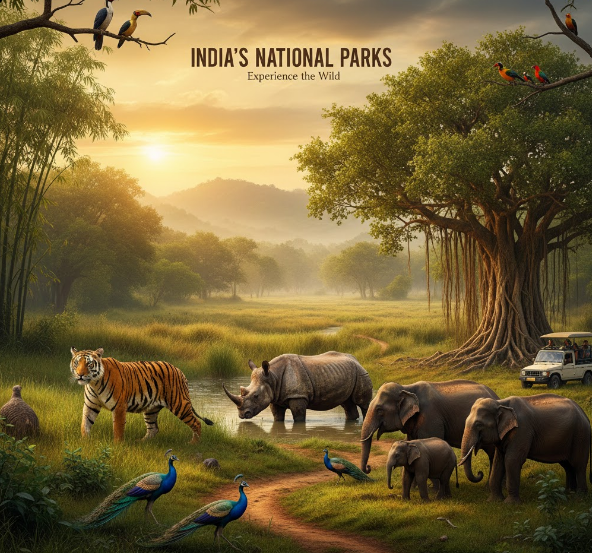
India is renowned for its rich biodiversity and vibrant ecosystems, and its national parks are prime examples of this natural wealth. From the majestic Bengal tigers to the elusive one-horned rhinoceroses, the country’s national parks offer unparalleled opportunities to experience wildlife in their natural habitats. This blog will guide you through some of the best national parks in India, providing insights into their unique features, flora, and fauna.
Top National Parks in India
1. Jim Corbett National Park
Location. Uttarakhand
Highlights. Jim Corbett National Park is India’s oldest national park, established in 1936. Located in the picturesque foothills of the Himalayas, it is renowned for its population of Bengal tigers. The park is also home to a variety of other wildlife species, including leopards, elephants, and over 600 species of birds.
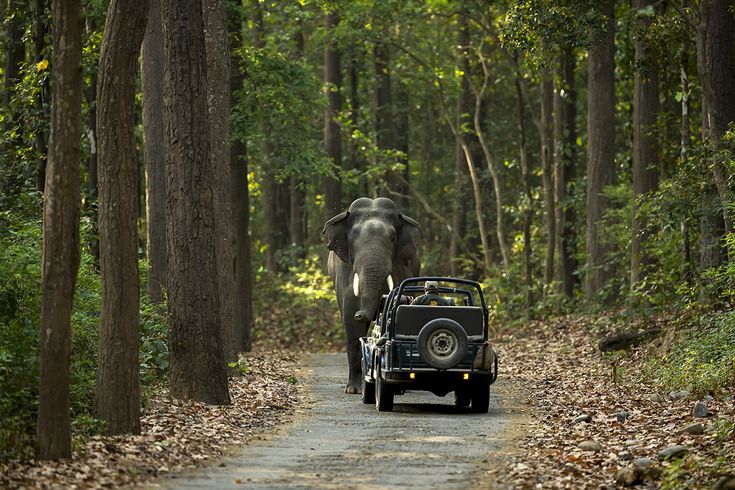
Activities. Wildlife safaris, bird watching, and nature walks.
Best Time to Visit: November to June
2. Kaziranga National Park
Location. Assam
Highlights. Kaziranga National Park is famous for its population of one-horned rhinoceros. The park, a UNESCO World Heritage Site, is also a haven for tigers, elephants, and a variety of bird species, including the rare Bengal florican. The park’s diverse landscapes include grasslands, swamps, and dense forests.
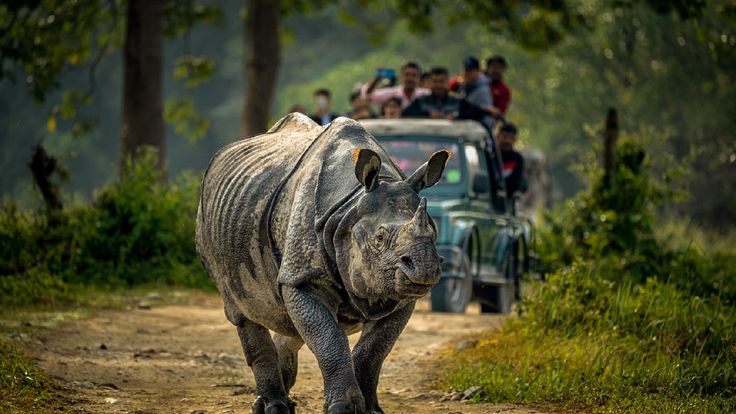
Activities. Jeep safaris, elephant rides, and bird watching.
Best Time to Visit. November to April
3. Ranthambore National Park
Location. Rajasthan
Highlights. Ranthambore National Park is known for its tigers and is one of the best places in India to see these majestic creatures in their natural habitat. The park is set around the historic Ranthambore Fort and features a range of terrains, including deciduous forests and grasslands.
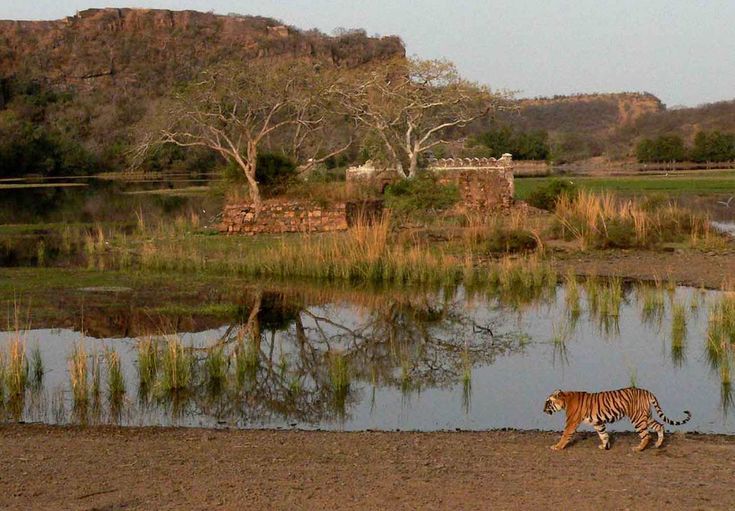
Activities. Tiger safaris, photography, and exploring the historic fort.
Best Time to Visit. October to June
4. Sundarbans National Park
Location. West Bengal
Highlights. Sundarbans National Park is famous for its mangrove forests and the elusive Royal Bengal tiger. The park’s unique landscape, with its intricate network of rivers and tidal waterways, makes it one of the most unique national parks in India. The park is also a UNESCO World Heritage Site.
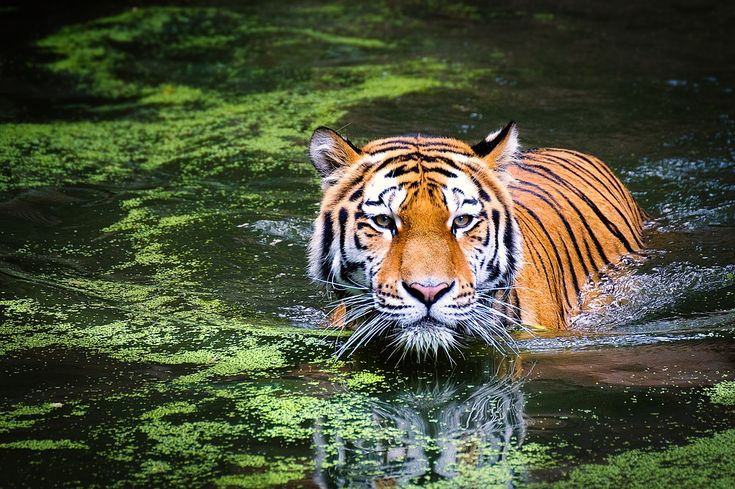
Activities. Boat safaris, bird watching, and exploring the mangroves.
Best Time to Visit. September to March
5. Bandhavgarh National Park
Location.Madhya Pradesh
Highlights. Bandhavgarh National Park is known for its high density of tigers and is a great place for tiger enthusiasts. The park also features an impressive range of flora and fauna, including leopards, deer, and various bird species.
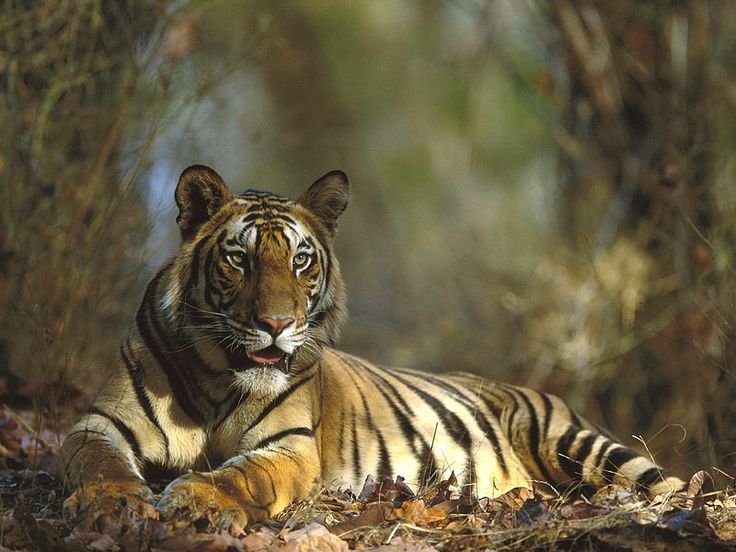
Activities. Jeep safaris, trekking, and visiting the Bandhavgarh Fort.
Best Time to Visit. October to June
Exploring the Wildlife
Flora and Fauna
India’s national parks are home to a diverse range of flora and fauna. Each park has its own unique ecosystem, ranging from tropical forests and grasslands to mangrove swamps and mountain terrains. Common species across many parks include various deer species, wild boars, and an array of bird species. The parks also protect endangered species like the Bengal tiger, the Indian rhinoceros, and the Asiatic lion.
Conservation Efforts
Conservation efforts in India’s national parks are crucial for preserving wildlife and their habitats. Many parks are involved in breeding programs for endangered species, habitat restoration projects, and anti-poaching initiatives. Organizations and government bodies work tirelessly to ensure that these natural treasures are preserved for future generations.
Tips for Visiting National Parks
- Plan Ahead. Check the park’s opening dates and timings.
- Book in Advance. Accommodations and safari permits can fill up quickly, especially during peak seasons.
- Respect the Wildlife. Follow park rules and guidelines to avoid disturbing the animals and their habitats.
- Dress Appropriately. Wear neutral-colored clothing and sturdy footwear suitable for safaris and walking trails.
- Carry Essentials. Bring essentials like binoculars, cameras, and insect repellent, and stay hydrated.
Conclusion
India’s national parks offer some of the most unforgettable wildlife experiences in the world. From the towering tigers of Ranthambore to the serene one-horned rhinos of Kaziranga, each park offers a unique glimpse into India’s natural heritage. Visiting these parks provides not only the opportunity to witness spectacular wildlife but also to contribute to conservation efforts that protect these precious ecosystems.
Whether you are a seasoned wildlife enthusiast or a casual traveler seeking adventure, India’s national parks promise an unforgettable experience. So pack your bags, gear up for a safari, and immerse yourself in the natural splendor of India’s finest wildlife sanctuaries.
Frequently Asked Question (FAQs)
Q1. What is the best time to visit Indian national parks?
Ans. The best time to visit Indian national parks generally depends on the region and the park. Most parks are best visited during the cooler months from October to March.
Q2. Are safaris the only way to explore national parks in India?
Ans. While safaris are a popular way to explore national parks, many parks also offer options like nature walks, boat rides, and bird watching tours. It’s best to check with the park’s management for available activities.
Q3. Can I stay inside the national parks?
Ans. Many national parks offer accommodations ranging from luxurious lodges to budget-friendly guest houses within or near the park.
Q4. What should I bring on a safari?
Ans. For a safari, bring neutral-colored clothing, comfortable shoes, binoculars, a camera, insect repellent, and a hat. Also, carry essentials like water, sunscreen, and a first-aid kit.
Q5. How can I contribute to conservation efforts in national parks?
Ans. You can contribute to conservation efforts by participating in eco-tourism, supporting wildlife conservation organizations, and following park rules to minimize your impact on the environment.